
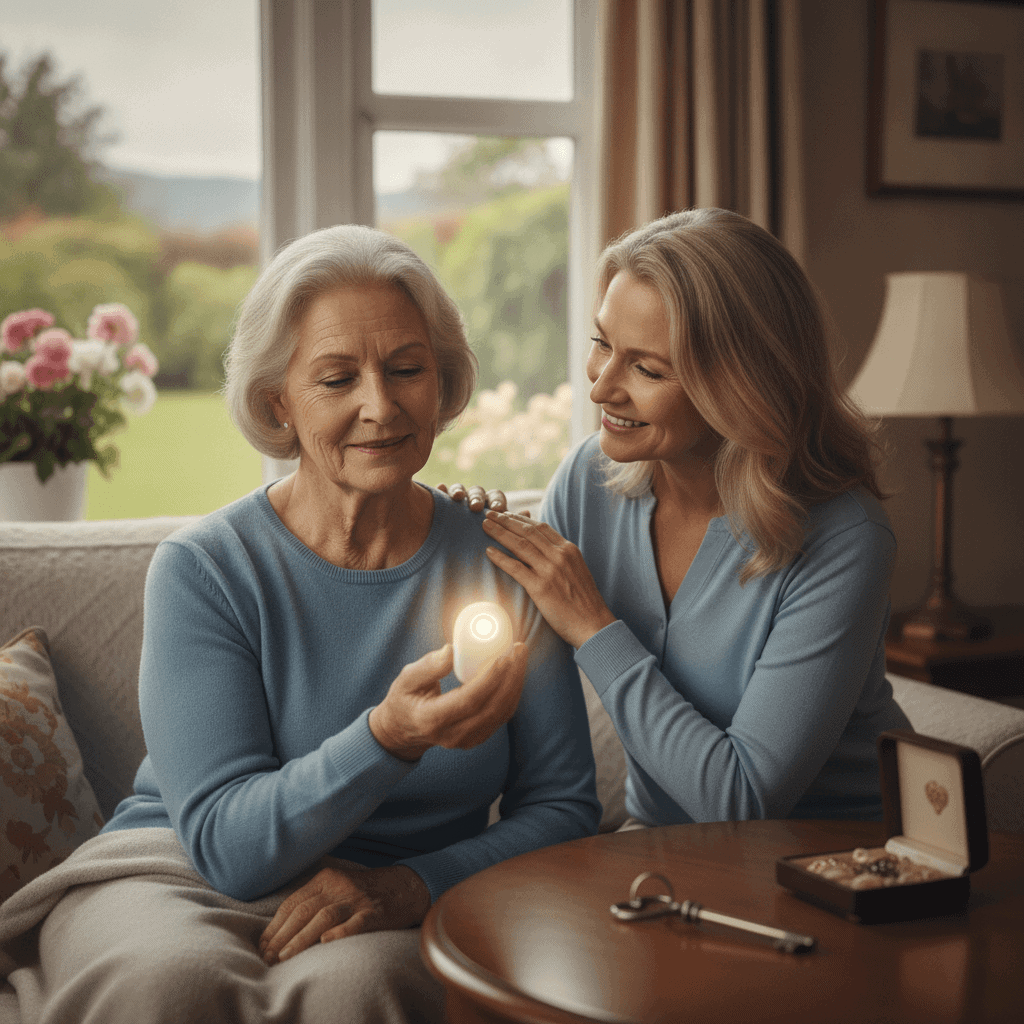
Ensuring the safety and well-being of our senior loved ones is a top priority for many families. We all want them to live independently and comfortably in their homes for as long as possible. This desire for independence often comes with concerns about potential emergencies, especially falls or sudden health issues when no one else is around.
I have seen firsthand how these worries can weigh heavily on both seniors and their families. It is a natural concern because accidents can happen quickly and without warning. The good news is that advancements in technology offer practical solutions to address these anxieties.
This is where senior medical alert systems play a vital role. They are not just devices but tools that provide a crucial link to help. By understanding what these systems offer, we can truly
Unlock Peace of Mind with Senior Medical Alerts
and foster a safer environment for those we care about.
Understanding What Senior Medical Alerts Offer
When I talk about senior medical alerts, I am referring to systems designed to provide immediate assistance during an emergency. These systems typically involve a wearable device, like a pendant or wristband, that seniors can activate with the press of a button. Once activated, it connects them to a monitoring center staffed by trained professionals who can assess the situation and dispatch appropriate help.
I have observed that many people initially think these systems are only for individuals who are extremely frail. That is a common misunderstanding. In reality, medical alerts are beneficial for a wide range of seniors, including those who are active but live alone or have underlying health conditions that could lead to unexpected incidents. They offer an essential layer of security that traditional home phones cannot provide.
The core function is simple. It provides a direct line to help 24 hours a day, seven days a week. This constant availability means that seniors can feel more secure knowing that assistance is always within reach, whether it is a medical emergency or just a need for reassurance. This capability significantly enhances their ability to maintain an independent lifestyle without constant supervision.
The Core Benefits of a Medical Alert System
The primary advantage of having a medical alert system is the enhanced safety it provides. Falls are a leading cause of injury among older adults. Many seniors live alone or spend significant time by themselves. A fall can leave them stranded and unable to reach a phone for help.
A medical alert device allows them to call for help instantly from wherever they are in their home or even outside, if they have a mobile unit. This immediate response can make a huge difference in outcomes, especially for time-sensitive emergencies. I believe this rapid access to assistance is truly invaluable.
Beyond falls, these systems also offer quick access to help for other medical emergencies like a sudden illness or difficulty breathing. The ability to simply press a button and speak with a professional can be life-saving. For those who want to discover more about the advantages of these systems, I always emphasize their role in providing continuous support.
Immediate Assistance When It Matters Most
The speed of response is a critical benefit. When a senior experiences an emergency, every second counts. With a medical alert system, there is no fumbling for a phone or trying to remember numbers. One press of a button connects them to help. The monitoring center staff are trained to quickly evaluate the situation. They can then contact emergency services or family members based on the specific need.
This direct line ensures that help is on the way without delay. It bypasses any confusion or panic that might occur during an emergency. This streamlined process is designed to get the right aid to the senior as quickly as possible. This is especially important for conditions where rapid medical intervention is crucial, like a stroke or heart attack.
Bolstering Confidence for Independent Living
Another significant benefit I have observed is the boost in confidence that medical alert systems provide. Seniors often worry about being a burden or losing their independence. A medical alert system empowers them to live on their own terms, knowing they have a safety net.
This sense of security allows them to engage more fully in their daily activities. They might feel more comfortable moving around their home, tending to their garden, or taking a walk. The system removes some of the underlying fear that often accompanies aging alone. It promotes a feeling of control and autonomy, which is crucial for overall well-being and mental health.
Choosing the Right System for Your Loved One
Selecting the appropriate medical alert system involves considering several factors specific to the senior’s lifestyle and needs. There are generally two main categories of systems available. Understanding these can help you make an informed decision.
In-home systems are designed for use within a certain range of a base unit, typically connected to a landline or cellular network. These are great for seniors who spend most of their time at home. Mobile systems, on the other hand, include GPS tracking and cellular connectivity, allowing seniors to call for help from anywhere, whether they are at the grocery store or enjoying a walk in the park.
I always recommend evaluating the senior’s routine and mobility. For an active senior who travels frequently, a mobile unit with GPS might be essential. For someone who is mostly homebound, a basic in-home system could be perfectly adequate. The key is to match the technology to the individual.
Key Features to Consider
When looking at different systems, several features stand out. Automated fall detection is a very popular feature. It uses sensors in the wearable device to detect if a fall has occurred and automatically alerts the monitoring center, even if the senior cannot press the button. This is a game-changer for many families.
Two-way communication through the pendant or base unit is another important aspect. This allows the senior to speak directly with the monitoring center from wherever they are, without having to rush to a phone. GPS tracking on mobile units provides precise location information during an emergency. This is helpful if the senior is disoriented or cannot communicate their whereabouts.
Tailoring to Individual Needs
Every senior is unique so a one-size-fits-all approach does not work. Consider if the senior has dexterity issues that might make pressing a small button difficult. Some devices offer larger buttons or voice activation. Think about their living situation as well. Do they have reliable internet or cellular service? This impacts connectivity options.
We also look at their comfort with technology. Some seniors prefer very simple devices while others might appreciate advanced features. It is important to involve the senior in the decision-making process. Their comfort and willingness to wear the device are paramount to its effectiveness. A system is only useful if it is actually used.
How Medical Alerts Support Family Caregivers
The benefits of medical alert systems extend far beyond the senior themselves. I have spoken with countless family caregivers who express immense relief once a system is in place. The constant worry about a parent or grandparent living alone can be emotionally exhausting. Knowing that there is a reliable safety net provides a much-needed sense of security for the entire family.
Caregiving is a demanding role. Family caregivers often juggle their own careers, families, and personal lives while also looking after their loved ones. A medical alert system acts as an extension of their care. It ensures that someone is always there, even when they cannot be. This frees up caregivers to focus on their other responsibilities with less anxiety.
It means that they can take a break, go to work, or run errands without the constant fear that something might happen when they are away. This peace of mind allows caregivers to maintain a healthier balance in their own lives. This is essential for preventing caregiver burnout and sustaining long-term care for their senior family members.
Alleviating Caregiver Burden
The emotional weight of caregiving can be heavy. Many caregivers experience stress and anxiety worrying about emergencies. Medical alerts significantly reduce this burden. They provide a reliable mechanism for immediate response. This means caregivers do not have to constantly check in or feel guilty about not being physically present.
The system essentially offers a professional safety watch, giving caregivers confidence that their loved one is protected. This support allows them to have some personal time and attend to their own needs. It is a tool that supports the caregiver as much as it supports the senior.
Enabling Continued Independence for Seniors
For seniors, maintaining independence is often deeply tied to their dignity and happiness. They value their ability to manage their own homes and routines. Medical alert systems support this by making independent living safer. This allows seniors to continue living in familiar surroundings rather than feeling forced into assisted living situations prematurely.
It truly empowers them to continue their preferred lifestyle. This benefit extends to their mental and emotional health. Knowing they can summon help if needed reduces fear of isolation and vulnerability. It reinforces their autonomy, which is a powerful psychological advantage for healthy aging.
Dispelling Common Misconceptions About Medical Alerts
I often hear a few common misconceptions about medical alert systems. One prevalent idea is that wearing such a device signals a loss of independence. I strongly disagree with this perspective. In my experience, it is quite the opposite. These devices are tools of empowerment.
They allow seniors to retain their independence longer by providing a safety net that enables them to live in their own homes with greater confidence. It is not about admitting frailty. It is about being proactive and smart about safety. Just like locking your doors or wearing a seatbelt, it is a sensible precaution.
Another misconception is that medical alerts are only for those who are severely ill or immobile. This is simply not true. Many active seniors use these systems. They might enjoy gardening, walking, or just moving around their homes. A slip or fall can happen to anyone at any age, and the recovery time can be longer for older adults.
These systems are designed for anyone who desires an extra layer of security. This includes those with chronic conditions, those recovering from surgery, or those who simply live alone. They provide a crucial link to help that can prevent minor incidents from becoming major crises. We encourage viewing them as a practical tool for active and healthy aging.
Integrating Medical Alerts into a Holistic Care Plan
A medical alert system should not be viewed as a standalone solution but rather as an integral part of a comprehensive care plan. I always emphasize that these devices complement other forms of care. They work in conjunction with family support, medical appointments, and any in-home assistance a senior might receive.
For example, if a senior has regular visits from a home health aide, the medical alert system provides coverage during the hours when the aide is not present. If a family member checks in daily, the system offers immediate response between those check-ins. It fills the gaps and ensures continuous support.
A holistic care plan considers all aspects of a senior’s well-being. This includes their physical health, emotional state, social engagement, and safety. A medical alert system directly addresses the safety component, reducing anxiety and allowing other elements of the care plan to thrive. It helps create an environment where seniors feel supported and secure.
We see medical alerts as a proactive step in maintaining a good quality of life. They are not a replacement for human interaction or medical care. They are an enhancement. They contribute to a feeling of security that allows seniors to focus on staying active and engaged, knowing that help is always just a button press away. This integrated approach ensures that seniors receive multifaceted support.
Securing Your Future with Medical Alert Systems
In conclusion, choosing to implement a senior medical alert system is a decision that offers substantial benefits for both older adults and their families. I believe these systems truly deliver on the promise of peace of mind. They provide an essential layer of protection, enabling seniors to maintain their cherished independence while ensuring immediate access to help during emergencies. We have explored how these devices offer rapid assistance for falls and other health crises, bolstering confidence and alleviating the significant worries that often accompany independent living for seniors.
The right system is one that fits the individual’s lifestyle, whether it is an in-home unit or a mobile device with advanced features like fall detection and GPS. For family caregivers, these systems mean less stress and more balance in their own lives, knowing their loved ones are continuously monitored. They integrate seamlessly into a holistic care approach, supporting rather than replacing other care efforts. I encourage you to consider how a senior medical alert system can enhance the safety and quality of life for your loved one. Research the options available and choose a system that will bring comfort and security to your entire family. Take this important step today to ensure a safer, more independent tomorrow.